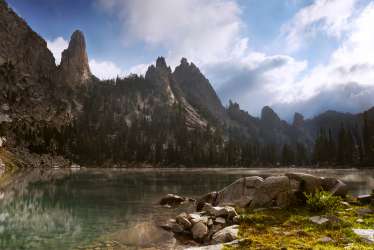
Public Lands, Access, and Fire Management
Stewardship, Access, and Local Control
Idaho’s public lands are central to our way of life.
They support grazing, timber, recreation, hunting, fishing, energy, and local economies. They are not abstract assets—they are working lands that sustain communities.
But decisions about these lands are often made far from Idaho by agencies that do not live with the consequences.
I believe public lands should be managed for access, productivity, and long-term stewardship, with greater input from the people and communities who depend on them.
What Is Driving the Problem?
Distant Federal Management
Federal agencies control large portions of Idaho land, often making decisions without sufficient local input or understanding of regional conditions.
Restricted Access
Closures, permitting limitations, and shifting rules can reduce access for recreation, grazing, and responsible use, impacting both livelihoods and traditions.
Mismanaged Forests and Fuel Loads
Overgrowth, lack of active management, and restrictive policies have increased wildfire risk, leading to larger, more destructive fires.
Regulatory Complexity
Layered rules across multiple agencies create delays, uncertainty, and increased costs for those who rely on public lands to work and operate.
Why It Matters to Idaho
Public lands are not separate from Idaho—they are part of our economy, culture, and daily life.
When access is restricted, small businesses, outfitters, and families are affected. When forests are mismanaged, wildfire risk increases, threatening homes, watersheds, and wildlife.
Idaho communities understand these lands because they live on and around them. Their voice should matter.
My Approach
Public land policy should be guided by local knowledge, active management, and long-term stewardship.
That means:
- Managing forests to reduce wildfire risk
- Maintaining access for responsible use
- Supporting productive uses like grazing, timber, and recreation
- Ensuring decisions reflect local realities
The federal government should not treat Idaho as a distant management zone. It should work with the people who depend on the land.
Policy Priorities
Increase Local Input in Land Management
Communities, counties, and state agencies should have a stronger role in decisions affecting public lands.
Improve Forest Management and Fire Prevention
Active management—thinning, controlled burns, and responsible timber use—reduces fuel loads and wildfire risk.
Protect Access for Recreation and Use
Public lands should remain accessible for hunting, fishing, grazing, and outdoor recreation, with reasonable and consistent rules.
Reduce Regulatory Barriers
Streamlining permitting and coordination between agencies can reduce delays and uncertainty.
Support Productive Use of Public Lands
Public lands should contribute to local economies through responsible grazing, timber, and energy development.
Day One Priorities
In the Senate, I will support legislation and oversight to:
- Increase local and state input in federal land management decisions
- Expand active forest management to reduce wildfire risk
- Protect access to public lands for recreation and productive use
- Streamline permitting processes across federal agencies
- Review federal land policies that unnecessarily restrict responsible use
Bottom Line
Public lands should be managed, not neglected.
When Washington restricts access and avoids active management, it harms both the land and the people who depend on it.
Idaho does not need distant control.
We need responsible stewardship, local input, and access that keeps our lands—and our communities—strong.